




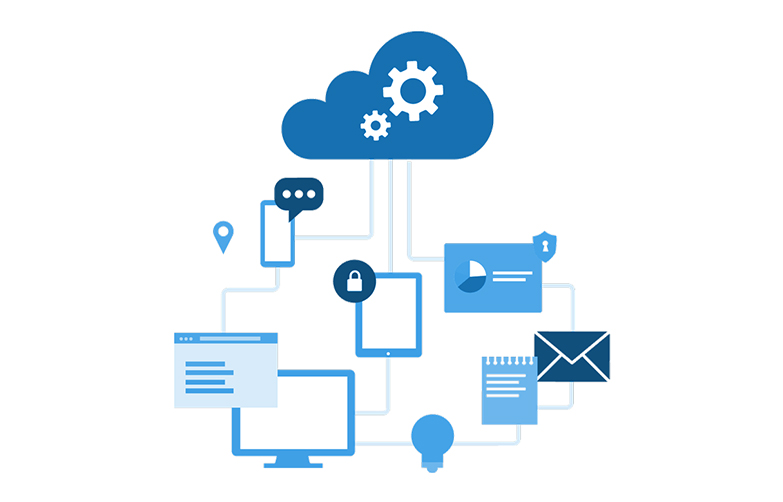

The rapid growth of cloud computing has ushered in an era of unprecedented transformation in the world of application development and maintenance. From enhancing collaboration and reducing costs to enabling faster deployment and better scalability, cloud technologies have become integral to the way applications are built, deployed, and maintained. For businesses striving to stay competitive, the cloud offers solutions that streamline processes, improve performance, and ensure long-term success.
In this blog, we will explore how cloud technologies are reshaping the landscape of application development and maintenance, offering significant advantages for businesses and developers alike.
The Shift to the Cloud
In the early days of software development, businesses had to rely on local servers, on-premises infrastructure, and dedicated hardware to support their applications. This approach, while effective, often resulted in high upfront costs, long deployment times, and scalability challenges. With the advent of cloud computing, these barriers began to dissolve, offering developers and businesses new opportunities to build and maintain applications in more efficient, cost-effective, and flexible ways.
Cloud technologies provide access to a wide range of services through the internet, allowing businesses to scale resources up or down as needed without investing heavily in physical infrastructure. This dynamic flexibility enables businesses to deploy applications faster, reduce downtime, and handle growing workloads more effectively.
Cloud-Based Application Development: Streamlining the Process
1. Faster Development and Deployment
Cloud platforms like AWS, Microsoft Azure, and Google Cloud provide developers with robust tools and services that expedite the entire development lifecycle. With cloud-based integrated development environments (IDEs) and containerized applications, developers can start building applications instantly without worrying about setting up local infrastructure.
For example, Platform-as-a-Service (PaaS) offerings on the cloud provide environments for developers to write, test, and deploy their code with minimal setup. This speeds up the development cycle, reduces manual errors, and makes collaboration between teams smoother. With cloud services offering automatic scaling, developers no longer need to manually adjust resources as usage fluctuates, allowing for faster and more efficient deployment of applications.
2. Collaboration and Flexibility
Cloud technologies enhance collaboration among development teams, especially when working remotely or with global teams. Developers can access and work on the same codebase from anywhere, sharing resources and updates in real-time. Cloud-based project management tools and version control systems, such as GitHub and GitLab, ensure that developers can track changes, implement continuous integration and delivery (CI/CD) processes, and streamline testing.
Additionally, cloud platforms offer flexibility when it comes to choosing development frameworks and programming languages. This gives developers the freedom to select the best tools for their specific project needs without worrying about compatibility issues or resource limitations.
Cloud Maintenance: Efficiency and Scalability
1. Cost-Effective Maintenance
Traditional on-premises infrastructure often requires significant capital investments and regular maintenance, leading to high operational costs. Cloud technologies, on the other hand, operate on a pay-as-you-go model, reducing the need for upfront capital expenditures. This model is particularly beneficial for businesses with fluctuating workloads, as they can scale resources according to their needs and only pay for what they use.
In terms of maintenance, cloud providers offer automated backups, software updates, and security patches, reducing the burden on internal teams. This ensures that applications remain up-to-date and secure without requiring constant manual intervention. Furthermore, cloud service providers often include built-in monitoring tools that allow businesses to track application performance and identify potential issues before they affect end users.
2. Scalability and Flexibility
One of the most significant advantages of cloud technologies is scalability. As applications grow in complexity and demand, scaling up resources can be done quickly and efficiently in the cloud. Cloud platforms provide autoscaling features that automatically adjust resources in real-time, ensuring optimal performance and minimal downtime during peak usage periods.
For example, in an e-commerce application, cloud services can scale computing power during high-traffic events such as Black Friday sales and then scale back during quieter times, optimizing both performance and cost. This level of flexibility is difficult to achieve with on-premises infrastructure, which typically requires physical upgrades and additional hardware to accommodate increased demand.
3. Continuous Monitoring and Optimization
Cloud service providers offer a suite of monitoring and analytics tools that help businesses track application performance, uptime, and usage patterns. These tools provide valuable insights into how applications are performing and where improvements can be made. With this data, developers and IT teams can proactively optimize the application’s performance, identify bottlenecks, and reduce response times.
For instance, cloud-native monitoring tools like AWS CloudWatch and Google Stackdriver provide real-time data about the health of applications and infrastructure, allowing businesses to respond to performance issues swiftly. Additionally, these platforms enable developers to set up automated alerts and notifications when specific thresholds are met, ensuring that maintenance efforts are timely and effective.
Security in Cloud-Based Application Development and Maintenance
1. Robust Security Features
Security is a top priority for businesses when developing and maintaining applications, and cloud providers have made significant strides in enhancing the security of their platforms. Cloud platforms offer built-in encryption, multi-factor authentication, and identity and access management (IAM) tools that help businesses secure their applications and data.
For example, cloud providers like AWS, Google Cloud, and Azure implement stringent security measures, such as regular security audits, vulnerability scanning, and compliance certifications. This ensures that applications hosted on the cloud are protected against cyber threats, reducing the need for businesses to invest in complex security infrastructure.
2. Disaster Recovery and Business Continuity
Cloud technologies also play a critical role in disaster recovery and business continuity. With automated backups and geographically distributed data centers, businesses can ensure that their applications are resilient and recover quickly from potential failures. In the event of a disaster, cloud services provide the ability to restore applications to a previous state with minimal downtime, keeping business operations intact.
Conclusion
Cloud technologies are revolutionizing the way applications are developed, deployed, and maintained. From speeding up the development process and improving collaboration to offering cost-effective maintenance and ensuring scalability, cloud platforms provide businesses with the tools they need to stay ahead in an increasingly digital world.
As organizations continue to adopt cloud computing, they unlock new opportunities for innovation and growth, enabling faster time-to-market and enhanced operational efficiency. Whether you are building a new application or maintaining an existing one, cloud technologies offer the flexibility, scalability, and reliability required to meet the demands of today’s dynamic business environment.