




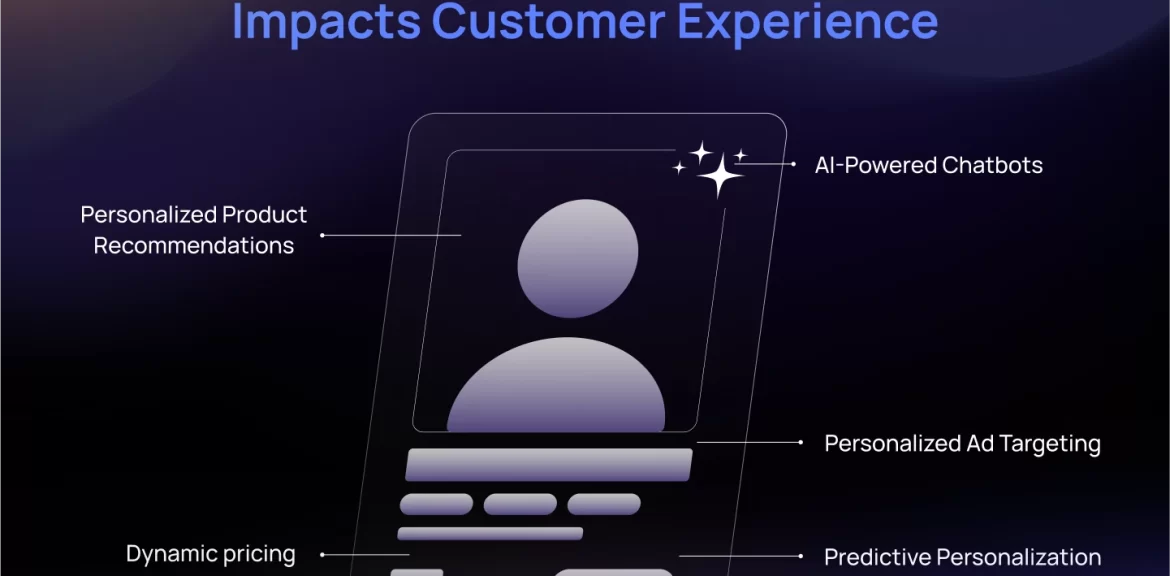

In today’s fast-moving digital landscape, businesses are constantly seeking ways to stand out and connect with their customers on a deeper level. One of the most powerful tools making this possible is Artificial Intelligence (AI) personalization. By combining data insights, machine learning algorithms, and predictive analytics, AI is transforming how brands engage with consumers. It’s no longer about offering one-size-fits-all services or generic ads; instead, businesses are now creating experiences that feel tailor-made for each individual. This shift is redefining customer expectations and reshaping industries worldwide.
Understanding AI Personalization
At its core, AI personalization refers to the use of artificial intelligence to deliver customized content, products, and experiences to users based on their behavior, preferences, and past interactions. Unlike traditional segmentation methods that group customers into broad categories, AI can analyze massive amounts of real-time data to make predictions at an individual level.
For example, think about how streaming platforms like Netflix suggest movies or how e-commerce giants like Amazon recommend products. These systems learn from your previous choices and browsing patterns to offer suggestions that feel highly relevant. This level of personalization goes far beyond convenience—it builds trust and loyalty because consumers feel understood and valued.
Enhancing Customer Journeys
AI-driven personalization is making every step of the customer journey smoother and more engaging. From the first interaction with a brand to post-purchase experiences, AI tools anticipate needs and deliver solutions quickly. For instance, chatbots powered by AI can provide instant support by recognizing user queries and offering relevant answers without human intervention.
This doesn’t just save time for customers but also helps businesses reduce response delays and operational costs. Moreover, personalized email campaigns, tailored product recommendations, and dynamic website content create a seamless flow that encourages customers to return. By addressing unique needs at each touchpoint, AI ensures that the journey feels less transactional and more relationship-driven.
Driving Smarter Product Recommendations
One of the most visible ways AI personalization is shaping consumer experience is through product recommendations. Businesses across industries—from fashion retailers to food delivery apps—are leveraging recommendation engines to drive sales. These engines analyze browsing history, purchase behavior, and even contextual data like time of day or location to suggest the most relevant options.
This personalized approach not only improves conversion rates but also enhances customer satisfaction. Instead of overwhelming consumers with hundreds of choices, AI narrows the options down to those most likely to appeal to them. The result is a faster, more enjoyable shopping experience where customers feel the brand truly understands their preferences.
Personalization Beyond Shopping
While personalization is most often associated with retail and e-commerce, its influence extends into many other sectors. In healthcare, AI personalization is helping doctors provide better patient care by analyzing health records and predicting potential risks. In education, adaptive learning platforms use AI to customize lesson plans based on a student’s pace and understanding.
Even in the entertainment industry, AI personalization is shaping experiences by curating playlists on music apps or tailoring content in gaming platforms. These applications show that personalization is not just about selling—it’s about enhancing the overall quality of life and making everyday interactions more meaningful.
Building Emotional Connections
A major impact of AI personalization is its ability to create emotional connections between brands and consumers. When customers receive experiences that feel uniquely theirs, it fosters a sense of belonging and loyalty. Personalized push notifications, timely discounts, or messages addressing individual milestones—such as birthdays or anniversaries—make customers feel appreciated.
This emotional engagement often translates into stronger brand advocacy. Customers who feel valued are more likely to recommend the brand to others, share positive reviews, and remain loyal even when competitors attempt to lure them away. In a world saturated with choices, this kind of emotional bond is a key differentiator.
Balancing Personalization and Privacy
As promising as AI personalization is, it also raises concerns about data privacy and security. Consumers are becoming increasingly aware of how their personal information is used, and businesses must find the right balance between personalization and respect for privacy. Transparency about data collection, secure storage practices, and giving customers control over their preferences are crucial in building trust.
Brands that are able to strike this balance will be the ones that succeed in the long run. Consumers are generally willing to share their data if they see clear value in return—such as convenience, savings, or improved experiences. The challenge for businesses is to ensure that personalization feels helpful rather than intrusive.
The Future of AI Personalization
Looking ahead, AI personalization will only become more sophisticated as technologies like natural language processing (NLP), predictive analytics, and generative AI evolve. Hyper-personalized experiences, where every aspect of a consumer’s interaction is fine-tuned in real-time, will become more common. Imagine walking into a store where digital displays adjust based on your past shopping history, or logging into a website where every page is customized just for you.
Moreover, voice assistants and wearable devices are opening new frontiers for personalization. From fitness recommendations on smartwatches to personalized news updates on smart speakers, the integration of AI into daily life will be seamless. For businesses, this means constantly innovating to keep pace with consumer expectations.
Conclusion
AI personalization is no longer just a trend—it is a fundamental shift in how businesses interact with consumers. By analyzing behavior, predicting needs, and delivering relevant experiences, AI is creating deeper connections that drive loyalty and satisfaction. However, personalization must always be balanced with ethical practices and respect for privacy.
As consumers continue to expect experiences tailored to their individual needs, businesses that embrace AI personalization will not only stand out but also thrive in a competitive marketplace. The future of consumer experience lies in personalization, and AI is the driving force behind this transformation.