




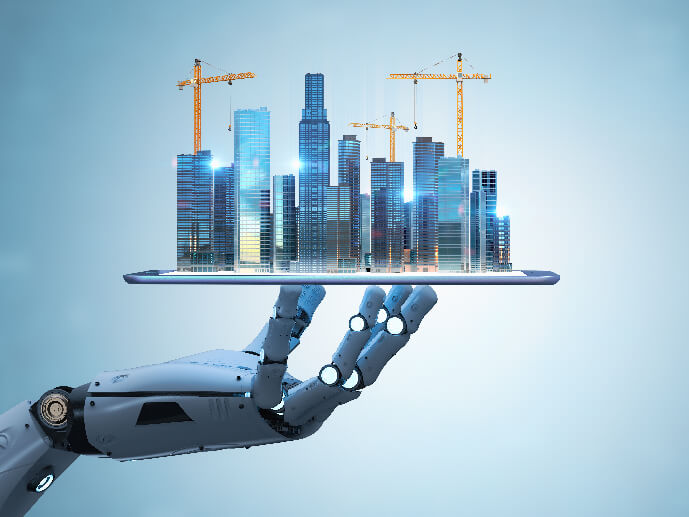

The real estate industry has always been dynamic, shaped by economic conditions, market demand, and evolving customer expectations. In recent years, however, one force has started reshaping the sector more profoundly than any other—artificial intelligence (AI). From automating mundane tasks to predicting market trends with remarkable accuracy, AI is redefining how properties are bought, sold, managed, and even built. What was once considered futuristic is now becoming the new normal, opening opportunities for greater efficiency, transparency, and customer satisfaction.
Transforming Property Search and Recommendations
One of the most noticeable impacts of AI in real estate is in the property search process. Traditionally, buyers and renters had to sift through countless listings, often wasting time on irrelevant options. AI-powered platforms now simplify this process by using advanced algorithms to personalize recommendations based on user preferences, browsing history, and even lifestyle choices.
For example, if a buyer is looking for a home near good schools with specific budget requirements, AI can filter through massive amounts of data and instantly provide curated options. This not only saves time but also improves the overall customer experience by reducing the frustration of irrelevant searches. Virtual assistants and chatbots further enhance this process, offering immediate answers to property-related questions at any time of the day.
Smarter Pricing and Valuation Models
Pricing a property has always been one of the biggest challenges in real estate. Relying solely on human expertise sometimes leaves room for errors or biases. AI-driven valuation models, however, leverage big data to deliver more accurate and reliable pricing. These models analyze historical sales data, current market conditions, neighborhood trends, and even social factors such as upcoming infrastructure projects.
The result is a dynamic pricing system that helps sellers avoid underpricing or overpricing their assets. For buyers and investors, it ensures fair market value and reduces the risk of making poor financial decisions. Real estate professionals are increasingly using AI-powered valuation tools to negotiate better deals and close transactions faster.
Predictive Analytics for Market Trends
One of AI’s strongest advantages is its ability to process vast datasets and identify patterns that humans may overlook. Predictive analytics, powered by AI, enables real estate firms and investors to forecast future market trends with a high degree of accuracy.
For instance, AI can predict which neighborhoods are likely to see price growth based on data such as migration patterns, job growth, and infrastructure developments. Investors can use these insights to identify emerging markets before they peak, ensuring higher returns on investment. Similarly, developers can use predictive analytics to determine the best type of property to build in a specific area, whether it’s luxury apartments, office spaces, or affordable housing.
Enhancing Property Management
AI is not just transforming the buying and selling process—it is also making property management smarter. Landlords and property managers are now using AI-powered tools to automate tasks such as rent collection, maintenance requests, and tenant screening.
Smart building technologies, powered by AI and the Internet of Things (IoT), are also improving energy efficiency and tenant satisfaction. For example, AI-driven systems can optimize heating, cooling, and lighting based on real-time usage patterns, reducing utility costs while providing a more comfortable environment. Predictive maintenance further allows managers to fix issues before they escalate, saving time and money while keeping tenants happy.
Virtual Tours and Customer Experience
The COVID-19 pandemic accelerated the adoption of digital tools in real estate, and AI-driven virtual tours became a game-changer. Prospective buyers and renters can now explore properties in 3D from the comfort of their homes, often guided by AI chatbots that provide additional details.
AI enhances these virtual experiences by personalizing the tour—highlighting features most relevant to the buyer. For example, if a family is looking for spacious kitchens or child-friendly layouts, the AI system can adjust the virtual walkthrough to emphasize these aspects. This not only speeds up decision-making but also widens the reach for sellers and agents, attracting potential buyers from across the globe.
Improving Risk Assessment and Fraud Detection
Real estate transactions involve high-value investments, making them vulnerable to fraud and financial risks. AI is playing a critical role in enhancing security and reducing risks in this domain. Advanced AI algorithms can detect suspicious activities such as falsified documents, fraudulent identities, or unusual financial patterns, thereby preventing scams.
Moreover, AI-powered risk assessment tools evaluate credit histories, rental backgrounds, and financial behavior to determine tenant or buyer reliability. This reduces the likelihood of defaults and ensures safer investments for property owners and lenders.
Streamlining Administrative Work for Real Estate Professionals
Behind the scenes, AI is revolutionizing how real estate professionals manage their daily operations. Repetitive tasks such as scheduling property visits, managing client databases, or drafting contracts can be automated with AI tools. This frees up time for agents and brokers to focus on building client relationships and closing deals.
Some firms are also using AI-driven customer relationship management (CRM) systems that track client interactions, predict when a customer might be ready to make a purchase, and even suggest personalized follow-ups. These smart systems make sales teams more efficient and ensure that no lead goes unnoticed.
A Future of Smarter Cities and Sustainable Real Estate
AI’s role in real estate extends beyond individual transactions—it is contributing to the design of smarter cities. By analyzing data on traffic flows, population density, and environmental impact, AI helps urban planners and developers create sustainable, efficient, and livable spaces.
Green building designs, AI-based energy management, and smart infrastructure are paving the way for environmentally friendly real estate practices. As climate concerns grow, the integration of AI into sustainable property development will only become more critical.
Conclusion
AI is no longer just a buzzword in real estate—it is an active driver of transformation across the industry. From simplifying property searches and enhancing customer experiences to enabling accurate pricing, predictive analytics, and smarter property management, AI is reshaping every corner of the market. Investors, developers, and agents who embrace these innovations are likely to stay ahead of the curve, while those who resist may struggle to compete.
As technology continues to advance, the future of real estate will not just be about buying and selling properties—it will be about creating smarter, safer, and more sustainable spaces powered by AI.