




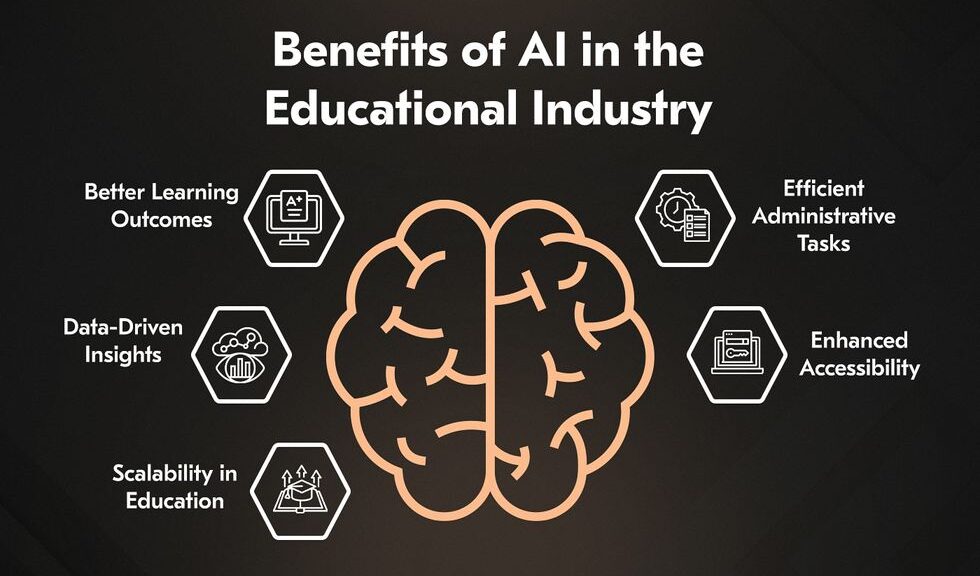

Artificial Intelligence is transforming nearly every industry, and education is among the sectors experiencing the most meaningful shift. From personalized learning to administrative automation, AI-driven tools are helping educators work smarter, deliver better learning outcomes, and create more engaging classroom experiences. As institutions adapt to evolving expectations from students and parents, AI is becoming a strategic asset for both teachers and academic leaders.
Below are the top ten uses of AI in the education sector, highlighting how this technology is reshaping teaching, learning, and operations at every level.
1. Personalized Learning Paths for Students
AI enables highly customized learning experiences by analyzing student performance, learning style, interests, and pace. Traditional one-size-fits-all teaching often fails to meet individual needs, but AI-powered platforms adapt content difficulty, recommend resources, and identify knowledge gaps in real time. Educators can use these insights to create targeted interventions, while students benefit from learning materials tailored to their strengths and weaknesses. This approach increases engagement, boosts retention, and supports diverse learners, including those who require more time or advanced challenges.
2. Automated Grading and Assessment
One of the most time-consuming tasks for educators is evaluating assignments, quizzes, and assessments. AI-powered grading tools can automate the evaluation of multiple-choice tests, short answers, and even essays. Machine learning models can detect patterns, analyze arguments, and offer consistent scoring. Automating these tasks not only saves teachers hours of manual work but also ensures faster feedback for students. With more time freed from repetitive tasks, educators can focus on mentoring, curriculum planning, and classroom interaction.
3. Intelligent Tutoring Systems
AI-driven tutoring systems act as virtual assistants that help students understand complex subjects outside the classroom. These systems provide instant explanations, answer questions, and guide learners step-by-step through difficult topics. Unlike traditional tutoring, these AI tutors are available round the clock, making learning accessible anytime. They are especially effective in subjects like mathematics, science, and languages. Intelligent tutoring systems support differentiated instruction and empower students to learn at their own pace without feeling overwhelmed.
4. Enhanced Classroom Management
Classroom management is essential for fostering a productive learning environment. AI tools can help track attendance, monitor engagement, predict learning behavior, and even identify students who may be at risk of falling behind. Advanced platforms analyze student interaction data to offer teachers recommendations on when to intervene, how to group students for activities, or how to optimize lesson plans. These insights lead to better classroom control, improved academic outcomes, and a safer, more supportive environment for every learner.
5. AI-Powered Content Creation
Educators often spend considerable time developing lesson plans, worksheets, quizzes, and study material. AI tools now assist in generating high-quality educational content in minutes. Teachers can use these platforms to create customized assessments, adapt existing lessons for different learning levels, or generate summaries of lengthy topics. This not only boosts productivity but ensures consistency in instructional quality. AI can also help translate content into multiple languages, supporting multilingual classrooms.
6. Predictive Analytics for Academic Performance
Predictive analytics uses AI algorithms to forecast student performance based on historical data, attendance records, assignment scores, and behavioral insights. This capability allows educators and administrators to detect early warning signs of academic decline or disengagement. With these predictions, interventions can be planned more effectively. Whether it is additional tutoring, counseling support, or curriculum adjustments, predictive analytics enables proactive decision-making aimed at improving student success rates.
7. Virtual Learning Assistants
Virtual assistants powered by AI act as support systems for students and teachers. These assistants can answer frequently asked questions, provide information about schedules or assignments, and guide students through administrative procedures. For teachers, AI assistants can help manage calendars, suggest resources, or streamline task lists. In online learning environments, they play a vital role in ensuring students stay organized, motivated, and informed throughout their academic journey.
8. Improved Accessibility for Students with Special Needs
AI plays a pivotal role in supporting students with disabilities by offering tools that enhance accessibility and inclusivity. Speech recognition software assists learners who struggle with writing by converting spoken words into text. Text-to-speech tools help visually impaired students access written content. AI-driven translation and captioning systems support those with hearing impairments. Specialized applications can even adjust reading levels or simplify complex sentences, ensuring that every student has equitable access to educational resources.
9. Streamlined Administrative Workflows
Educational institutions spend a significant portion of their resources on administration. AI streamlines tasks such as enrollment management, attendance tracking, scheduling, and resource allocation. Chatbots can handle routine inquiries from parents and students, reducing the workload on administrative staff. AI-powered systems improve communication, reduce manual errors, and ensure faster processing of records. By optimizing administrative processes, schools and colleges can redirect their focus toward teaching and learning.
10. Enhanced Remote and Hybrid Learning
The rise of remote and hybrid learning models has increased the demand for advanced digital tools. AI helps create more effective online learning environments with features like adaptive learning modules, automated assessments, plagiarism detection, and real-time analytics. AI-powered platforms can track student concentration levels, flag plagiarism, or suggest personalized learning resources during online sessions. These features ensure that hybrid learning remains interactive, structured, and outcome-driven.
Conclusion
AI is no longer just an emerging trend; it is a foundational element driving the future of education. From enhancing teaching efficiency to improving student engagement, the uses of AI in education are vast and powerful. Educators who integrate AI tools into their classrooms gain the ability to provide personalized, accessible, and high-quality instruction. Schools and institutions benefit from improved efficiency, better learning outcomes, and data-driven decision-making.
As the education sector continues to evolve, AI will play an increasingly central role in shaping curriculum delivery, simplifying administrative tasks, and creating a supportive, inclusive learning environment for all. For educators looking to elevate their impact, embracing AI is not just an option but a necessity for the future of teaching and learning.