




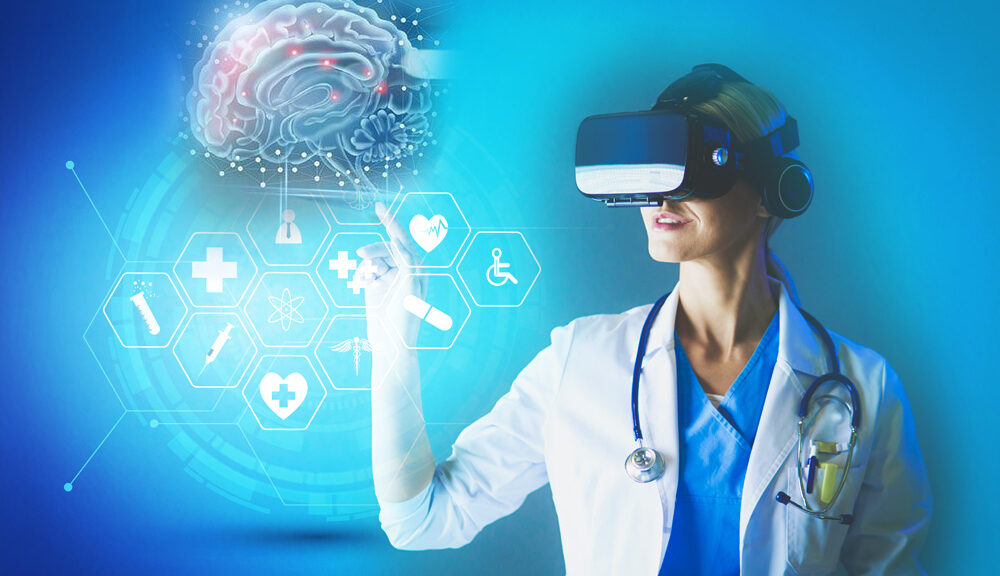

The telemedicine sector has witnessed a massive surge in adoption, especially post-pandemic. According to a McKinsey report, telehealth usage stabilized at 38 times higher than pre-COVID-19 levels. But what’s propelling this digital healthcare revolution even further is Artificial Intelligence (AI). From enhancing diagnostics to delivering personalized care, AI is reshaping how healthcare services are delivered remotely. Here are 10 transformative ways AI is redefining the telemedicine landscape.
1. AI-Powered Virtual Assistants and Chatbots
AI chatbots and virtual assistants are now the first line of interaction for patients using telemedicine platforms. They collect symptoms, answer basic health queries, triage patients, and even schedule appointments. These smart assistants reduce the burden on healthcare staff while offering 24/7 support.
The use of Natural Language Processing (NLP) enables these systems to understand and respond to human language more accurately, making patient interaction smoother and more efficient.
2. Remote Monitoring and Predictive Analytics
With AI-integrated wearable devices and IoT tools, physicians can remotely monitor patient vitals such as heart rate, glucose levels, and blood pressure. AI algorithms process this data in real-time to predict potential health risks and alert caregivers to take preventive action.
This continuous health tracking plays a critical role for patients with chronic diseases, enabling early interventions and reducing hospital readmissions.
3. Enhanced Diagnostic Accuracy
AI tools can analyze medical data like X-rays, MRIs, and CT scans to assist in diagnosing conditions more accurately and quickly than traditional methods. These technologies are increasingly being integrated into telemedicine platforms, enabling remote physicians to offer accurate diagnostics with the help of AI.
For example, deep learning models in radiology can detect abnormalities such as tumors or lung infections with high precision, supporting faster clinical decisions.
4. Personalized Treatment Plans
AI algorithms analyze a patient’s medical history, genetics, lifestyle, and real-time data to recommend personalized treatment plans. These plans are continuously refined based on new data inputs, ensuring optimal outcomes.
Telemedicine providers can use this functionality to cater to individual patient needs, especially in managing long-term conditions like diabetes or mental health disorders.
5. AI in Mental Health Support
Mental health services have significantly benefited from telemedicine, and AI is enhancing this further. AI-driven tools can analyze speech patterns, facial expressions, and text responses to identify signs of depression, anxiety, or PTSD.
Some telehealth platforms use sentiment analysis to determine a patient’s emotional state during virtual consultations, enabling therapists to tailor their approach accordingly.
6. Automated Medical Transcription
AI-based speech recognition tools can automatically transcribe doctor-patient consultations in real-time. This reduces the need for manual documentation, allows healthcare providers to focus more on patient care, and improves record-keeping accuracy.
These transcriptions can be integrated into Electronic Health Records (EHRs), making patient data readily accessible across platforms and improving continuity of care.
7. Drug Interaction and Prescription Validation
AI helps telemedicine platforms cross-check prescribed drugs for possible adverse interactions. By referencing a large database of drug interactions, allergies, and contraindications, AI ensures prescriptions are safe and suitable for each patient.
This functionality adds a layer of safety, especially when doctors have limited face-to-face interaction with patients and rely solely on digital data.
8. Language Translation and Accessibility
AI-powered language translation tools are making telemedicine more inclusive by breaking language barriers. Real-time translation helps patients from diverse linguistic backgrounds communicate with doctors effectively.
In addition, AI systems with speech-to-text and text-to-speech capabilities aid patients with hearing or visual impairments, enhancing the accessibility of digital healthcare services.
9. Workflow Automation and Operational Efficiency
AI streamlines back-end operations in telemedicine, such as billing, claims processing, appointment scheduling, and patient onboarding. By automating these tasks, healthcare providers save time and reduce administrative costs.
This allows medical staff to concentrate more on clinical duties rather than administrative paperwork, leading to more efficient and productive virtual clinics.
10. Clinical Decision Support Systems (CDSS)
AI-driven CDSS analyze patient data to support physicians in clinical decision-making. These systems offer evidence-based recommendations, flagging potential issues or suggesting alternative treatments.
Within telemedicine, CDSS ensures doctors make informed choices despite not being physically present with patients. This increases diagnostic reliability and treatment efficacy.
Conclusion: The Future of AI in Telemedicine
AI is not just an add-on; it’s becoming the backbone of telemedicine. With the integration of AI, remote healthcare becomes faster, smarter, safer, and more patient-centric. From enhancing diagnosis accuracy to improving operational efficiency and patient engagement, AI is revolutionizing how we perceive and experience healthcare.
As telemedicine continues to evolve, embracing AI technologies will be crucial for healthcare providers to remain competitive and deliver exceptional care. The road ahead promises even more innovation, such as AI-driven robotics for remote surgeries and advanced behavioral analytics.
Are you ready to step into the AI-powered future of telemedicine?
Whether you’re a healthcare provider, startup, or investor, now is the time to explore the transformative potential of AI in digital health.